As New South Wales approaches the March 2027 state election, the housing debate is no longer confined to homeownership. For thousands of households, the more immediate question is whether they can afford to keep a roof over their heads.
15 Oct 2026

As New South Wales approaches the March 2027 state election, the housing debate is no longer confined to homeownership. For thousands of households, the more immediate question is whether they can afford to keep a roof over their heads.
 Public Housing
With tens of thousands stranded on waitlists, the quiet rise of unmonitored "manual selections" risks reducing an essential human right to an exercise in administrative patronage.

 Government

Community group Justice not Jails has organized a protest outside Darwin's Australian Homelessness Conference over the Northern Territory Government’s decision to close the Aboriginal-run YiSSA shelter. Despite rejecting federal funding to keep it open, the government plans to relocate residents 100 kilometres away to Batchelor under non-Indigenous management, leaving over 120 vulnerable people without secure local accommodation.
Rough Sleeping
Sydney’s homelessness crisis is worsening, with charities and support services reporting growing demand as rising rents, living costs, and a shortage of affordable and social housing leave more people sleeping rough or couch surfing. The article highlights personal stories of homelessness and notes that, despite plans for new housing, only a small proportion of promised homes have been completed.
Rough Sleeping
Erin Longbottom, National Director of Homelessness at St Vincent’s Health Australia, received the Unsung Hero Award at the 2026 Sydney Awards for her outstanding work supporting homeless people. A former outreach nurse, she advocates for long-term housing investment and healthcare support, emphasising that homelessness can be solved through coordinated action, compassion and adequate funding.
Rough Sleeping
In Ballina, NSW, Mark Ross had arranged for a caravan to provide temporary accommodation for a homeless person. However, vandals attacked and damaged the caravan overnight, just hours before it was due to be handed over. The senseless destruction jeopardised an opportunity to help someone experiencing homelessness and sparked outrage over the harm caused.
Rough Sleeping
A Guardian Australia investigation revealed that rough sleeper Roger Davies was buried in an unmarked communal grave with four strangers at Rookwood Cemetery in 2015. Despite identifying his remains, authorities failed to notify his living sister for two years, depriving his family of the chance to fund a private cremation and properly lay him to rest.
Rough Sleeping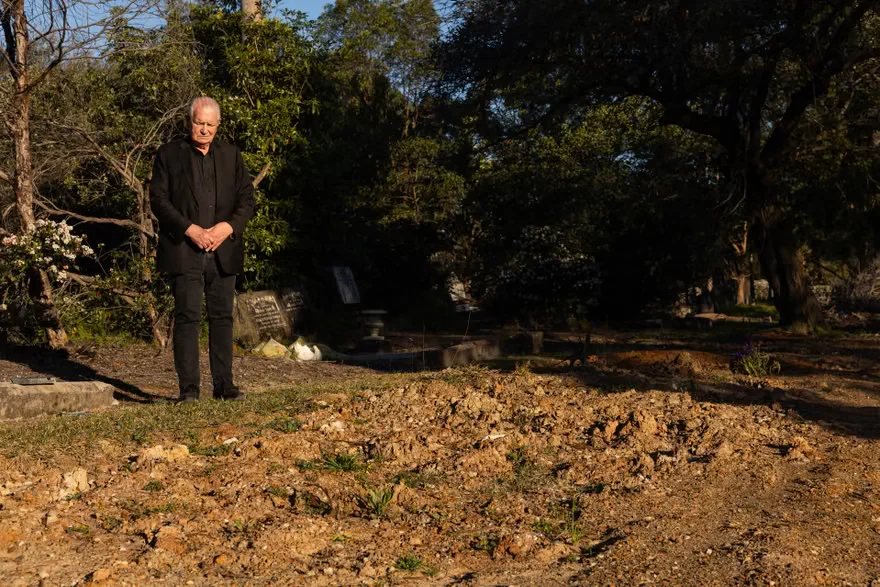
A well-known rough sleeper dubbed Sydney’s “king of town hall” was buried in an unmarked communal grave alongside strangers after his death. Classified as a “person without means,” his burial occurred without notifying support services who would have funded a dignified funeral, prompting outrage and official apologies over the state's treatment of destitute individuals.
Accountability
A proposed Human Rights Act in New South Wales offers a vital opportunity to legally enshrine the right to adequate housing. By requiring public agencies and legislation to align with human rights standards, the law could help prevent unfair evictions, protect vulnerable tenants, and provide legal mechanisms to address the state's ongoing housing crisis.
Rough Sleeping
Faced with rising rents and homelessness, several Central Coast residents are living on boats as an alternative to the streets. However, NSW regulations restrict living aboard to 90 days annually. Despite pushback and fears of returning to rough sleeping, Maritime NSW is cracking down on these unseaworthy vessels over safety and environmental concerns.
Public Housing
The New South Wales government spent nearly $1,800 to fly a homeless man from a Wagga Wagga encampment back to New Zealand rather than providing temporary accommodation. Despite living in Australia for 18 years, Mark Hudson faced pressure to leave until the flight was cancelled and media inquiries prompted officials to offer him housing.
 Housing Crisis
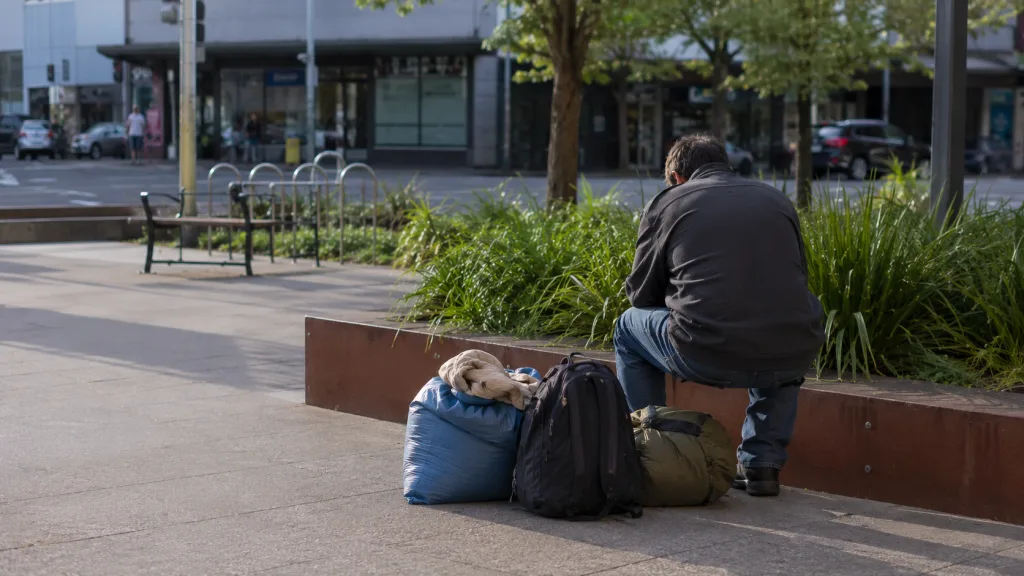
Melbourne’s west faces Australia’s highest demand for homelessness services, with over 15,000 people seeking aid in 2024–25. Driven by rapid population growth, living cost pressures, and scarce social housing, the region's homelessness rate is 50% above the national average. Local councils are urging governments to fund urgent public housing and improve coordinated outreach services.
 Public Policy

Finland's pioneering "Housing First" policy halved homelessness by treating permanent shelter as a fundamental human right paired with support services. However, recent welfare and healthcare spending cuts, paired with rising living costs, have reversed progress—causing homelessness to spike again and demonstrating that sustainable long-term success requires ongoing social investment alongside housing.
Emergency Housing
In Australia, female homelessness is rising rapidly, with domestic and family violence driving almost half of all cases. Escaping abuse often forces women into severe financial distress and homelessness, trapping them in cycles of trauma. Programs like Launch Housing’s permanent supportive development, Viv’s Place, provide critical security, helping victim-survivors heal and rebuild their lives.
 Rough Sleeping

Homelessness across Perth is rising and diversifying, driven by surging rents and living costs that leave dual-income families, employed workers, and the elderly unable to afford shelter. Frontline services face overwhelming demand, severe accommodation shortages, and strict pet restrictions, prompting calls for localised, tailored community support rather than simply moving unhoused people along.
 Hidden Homelessness

A report from Homelessness Australia reveals tens of thousands of women escaping domestic and family violence are trapped in a "doom loop" of homelessness. With two in five remaining unhoused even after support periods end, advocates are urging the federal government to combine long-term funding with social housing to break the cycle.
 Public Policy

Green Bay officials and community members gathered for a forum to address rising local homelessness, promising collaborative solutions shaped directly by resident feedback. Leaders highlighted the need for actionable strategies—such as expanding transitional housing, supportive services, and affordable options—while balancing neighborhood concerns, shelter capacity limits, and the urgent necessity for compassionate, long-term community intervention.
Public Policy
Federal funding cuts proposed by the Trump administration threaten Washington, D.C.’s LGBTQ homeless facilities by moving away from permanent housing toward two-year transitional stays requiring mandatory treatment. Local providers warn that stripping long-term housing support will disproportionately harm vulnerable LGBTQ youth—who make up 38 percent of the city’s homeless young people—by cutting vital lifelines.
 Hidden Homelessness
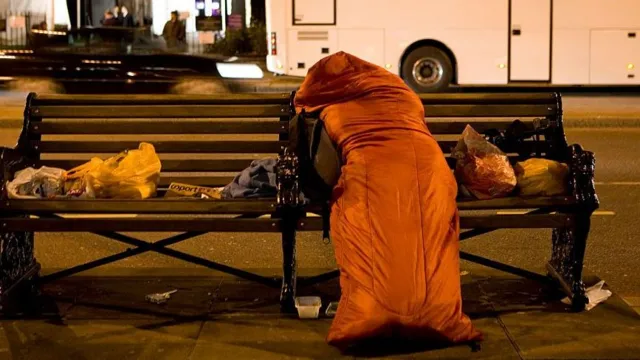
One in six London prison leavers is released into homelessness amid a severe Probation Service workload crisis, according to social justice group Nacro. Heavy caseloads and inadequate support leave vulnerable leavers prone to reoffending and addiction relapse. While the UK government pledges to halve leaver homelessness by 2029, staff warn incoming early releases will worsen conditions.
Housing Crisis
Australian rental price growth stalled during the September quarter as tenants reached an affordability ceiling, according to Domain data. Despite near-record-low vacancy rates and tight supply, rents remained unchanged across most capital cities and dropped slightly in Sydney and Canberra, signaling that constrained supply alone can no longer drive further increases amid severe cost pressures.
Public Housing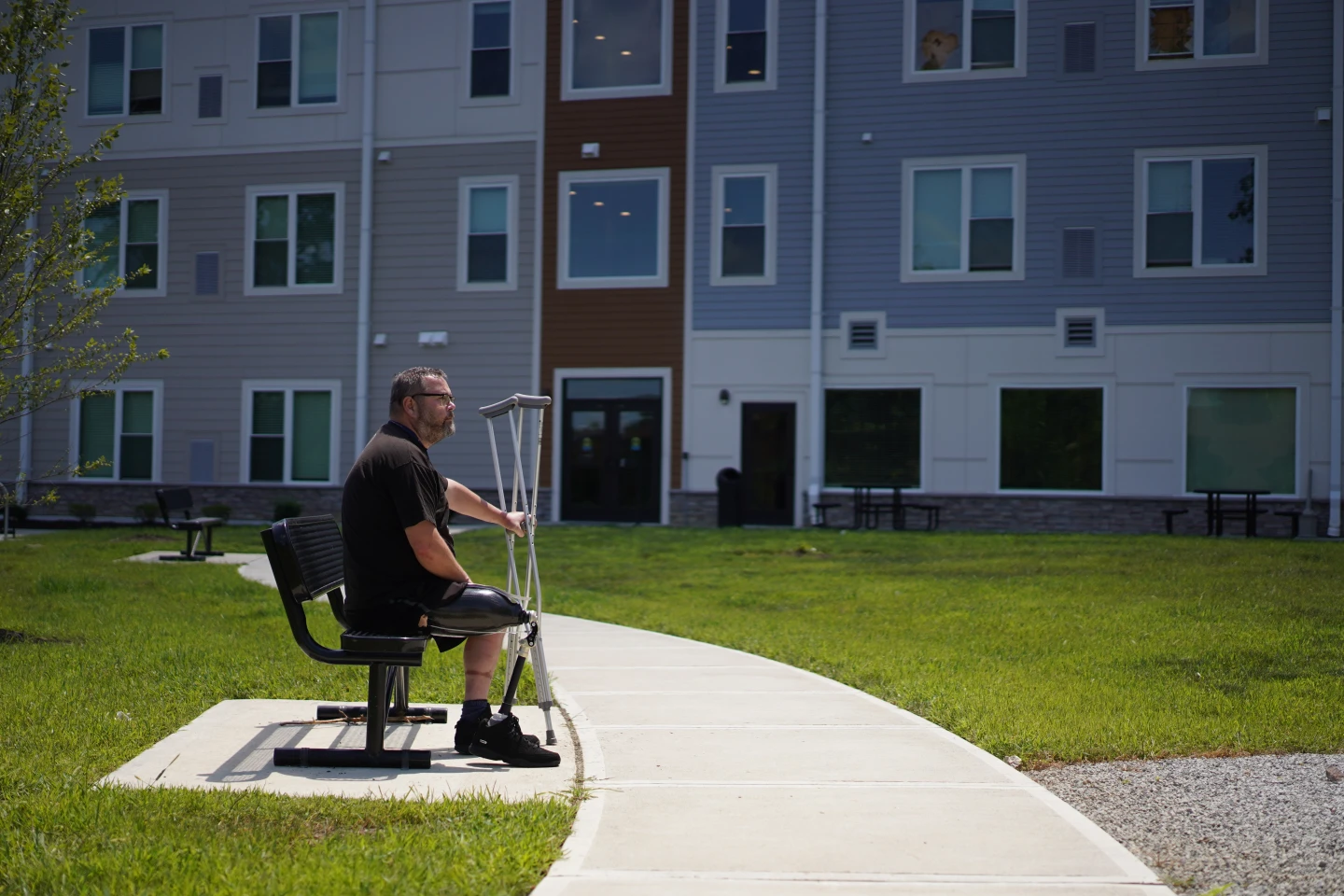
The policy shift replaces the federal "Housing First" model with transitional housing tied to mandatory treatment, sobriety, and work requirements. While proponents argue this promotes accountability and addresses root causes, advocates warn that strict prerequisites and public encampment crackdowns risk leaving the most vulnerable individuals without shelter.
Housing Crisis
Australia’s rental housing crisis is deepening as rents continue to rise while the availability of homes remains limited, putting growing financial pressure on international students, new migrants and low- and middle-income households.
Public Housing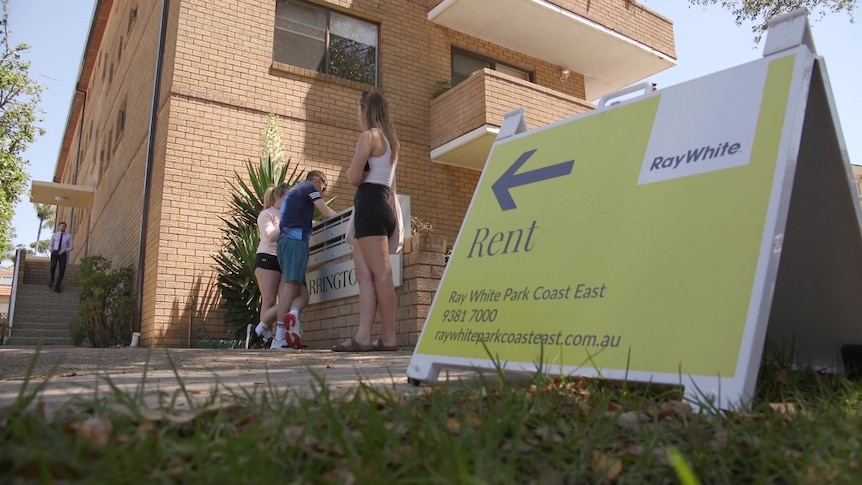
Despite severe rental shortages, landlords are struggling to increase rents due to tenants hitting their affordability limit. New data shows rent is flatlining in most capital cities and has even fallen in a few in the past three months.
Hidden Homelessness
Australian Institute of Health and Welfare in late August 2026 reveal a stark reality: approximately 1 in 3 individuals discharged from prisons expect to be homeless upon release. More than 34% rely entirely on emergency shelters or rough sleeping, with commentators noting that prisons are effectively serving as "modern-day asylums" without coordinated exit pathways.
 Evictions

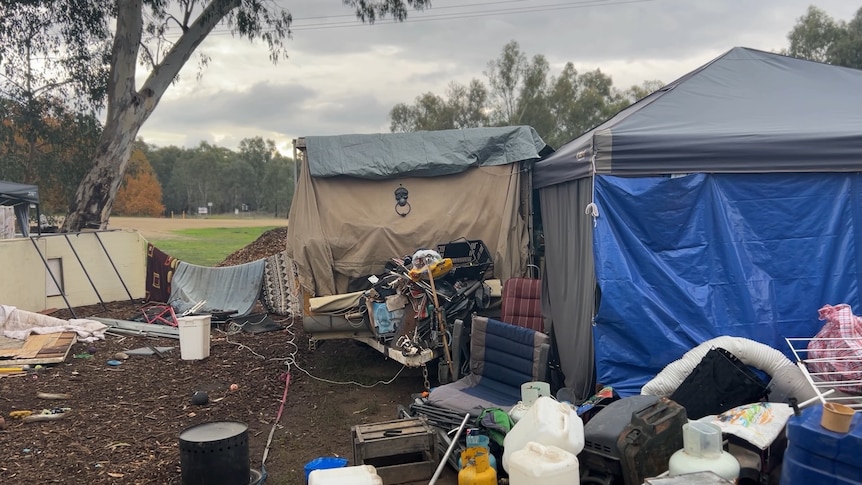
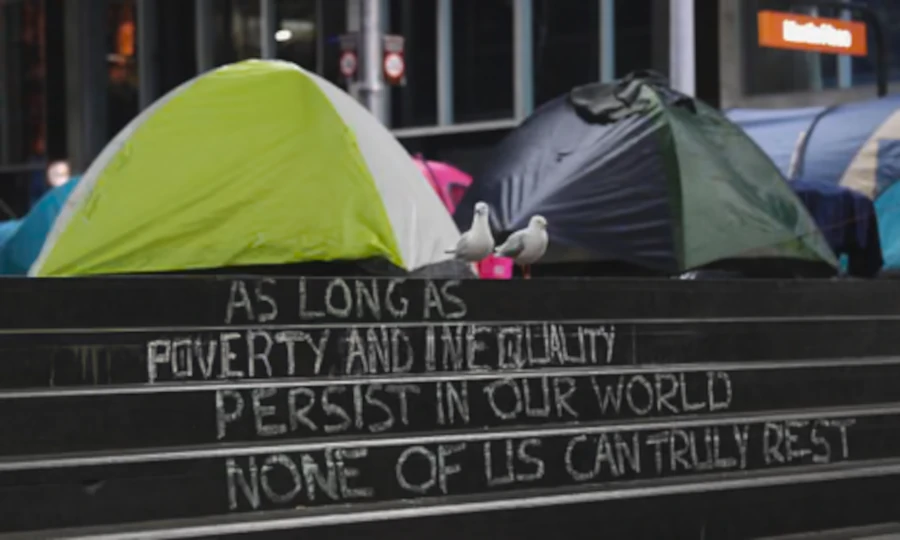
Police and the fire department moved Thursday morning to remove an encampment that grew to dozens of tents on Saskatoon's west side. People living there expressed sadness, anger and fear about being woken up Thursday morning by police telling them to leave. "Where do they expect people to go?" asked Genine Okanee, who had been living in the encampment for the last month.
Rough SleepingSydney’s homelessness crisis is worsening, with charities and support services reporting growing demand as rising rents, living costs, and a shortage of affordable and social housing leave more people sleeping rough or couch surfing. The article highlights personal stories of homelessness and notes that, despite plans for new housing, only a small proportion of promised homes have been completed.
Public PolicyFederal funding cuts proposed by the Trump administration threaten Washington, D.C.’s LGBTQ homeless facilities by moving away from permanent housing toward two-year transitional stays requiring mandatory treatment. Local providers warn that stripping long-term housing support will disproportionately harm vulnerable LGBTQ youth—who make up 38 percent of the city’s homeless young people—by cutting vital lifelines.
Hidden Homelessness Hidden Homelessness Housing Crisis Government
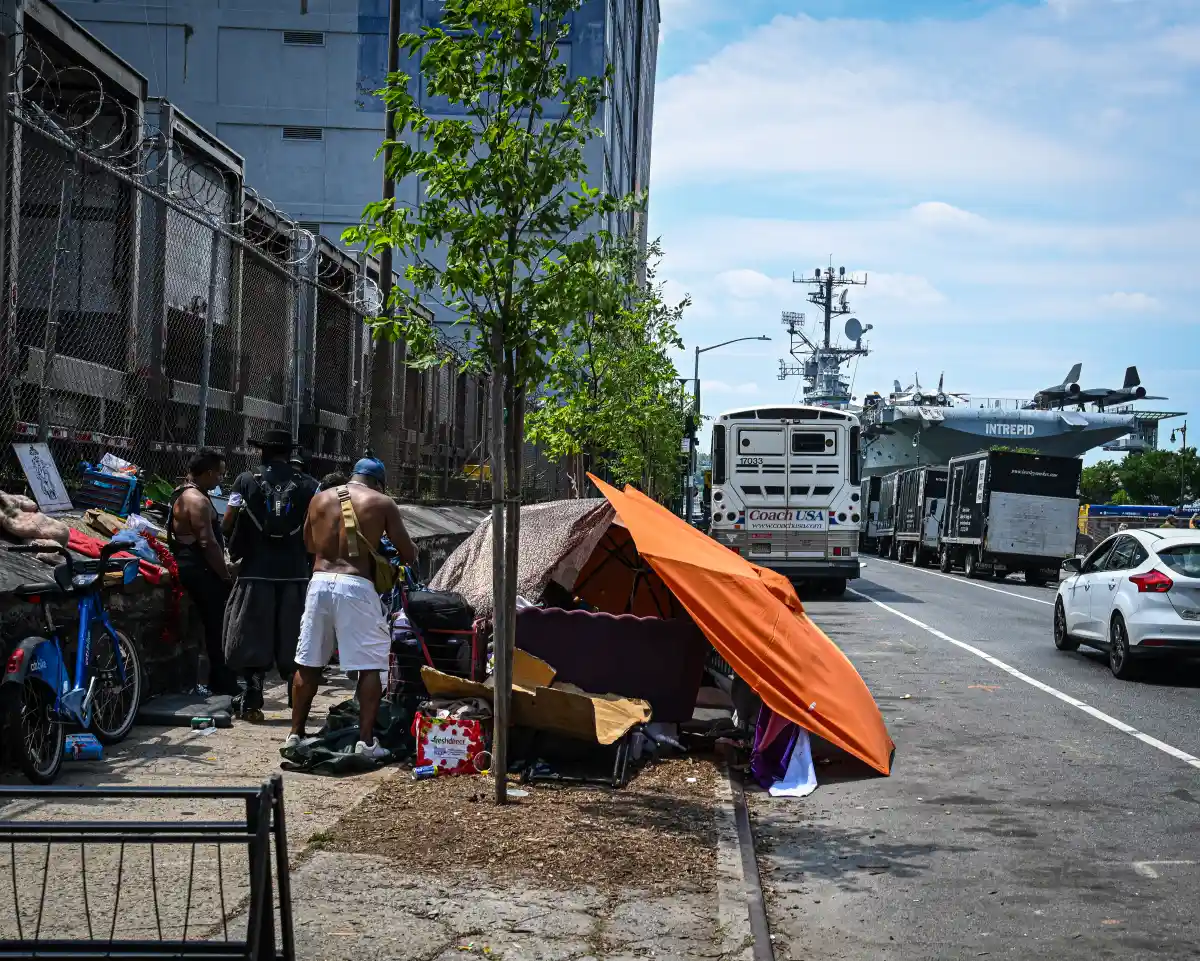
The Mamdani administration stopped automatically sending police officers to investigate 311 complaints about homeless encampments this week, shifting the initial response to homeless outreach workers.
Housing CrisisMelbourne’s west faces Australia’s highest demand for homelessness services, with over 15,000 people seeking aid in 2024–25. Driven by rapid population growth, living cost pressures, and scarce social housing, the region's homelessness rate is 50% above the national average. Local councils are urging governments to fund urgent public housing and improve coordinated outreach services.
Housing CrisisAs New South Wales approaches the March 2027 state election, the housing debate is no longer confined to homeownership. For thousands of households, the more immediate question is whether they can afford to keep a roof over their heads.